hero image

Our History

Penleigh and Essendon Grammar School was established in 1977 with the amalgamation of Penleigh Presbyterian Ladies College and Essendon Grammar School, both of which have histories dating back to the 1870s in Melbourne’s northern suburbs.

Known informally as PEGS, the school continues to embrace its strong heritage and traditional values while offering one of Melbourne’s most forward-thinking independent school experiences.

1871: Foundation of Dorset House Ladies’ School by Mrs Elizabeth Tulloch

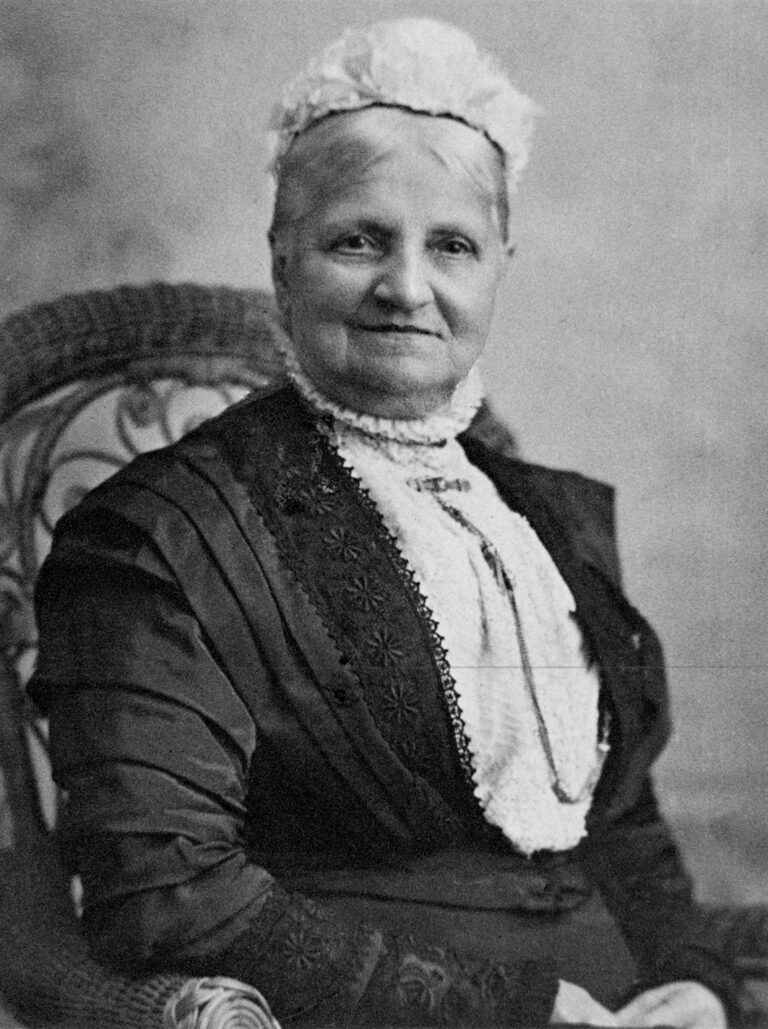
Having arrived in Melbourne with her family from the English county of Dorset in 1868 Mrs Elizabeth Tulloch opened a school for girls in Moonee Ponds in 1871.

Celebrating the 50th anniversary, a former student described Mrs Tulloch:

More than usually gifted, both in intellect and appearance, with her stately carriage, her fresh complexion, she was the ideal – not only of a teacher, but – of a perfect English gentlewoman.

Her ideals were high. She never spared herself if she could serve others. “The secret of happiness is to serve” may be said to have been her motto.

From these small beginnings, over a century of girls’ education blossomed as the School’s name changed under successive principals: from Ascot Vale Girls’ High School to Penleigh Girls’ School, named by Principal, Miss Edith Sprigg to remember her home in England. Then, under the management of the Limerock sisters, Lilian, Muriel and Elma, the school came under the stewardship of the Presbyterian Church, hence the change to Penleigh Presbyterian Girls’ School. 

Finally, as Penleigh Presbyterian Ladies’ College, under the Principalship of Rev H R (Bert) Stevens, the school amalgamated with Essendon Grammar School to form the current Penleigh and Essendon Grammar School.
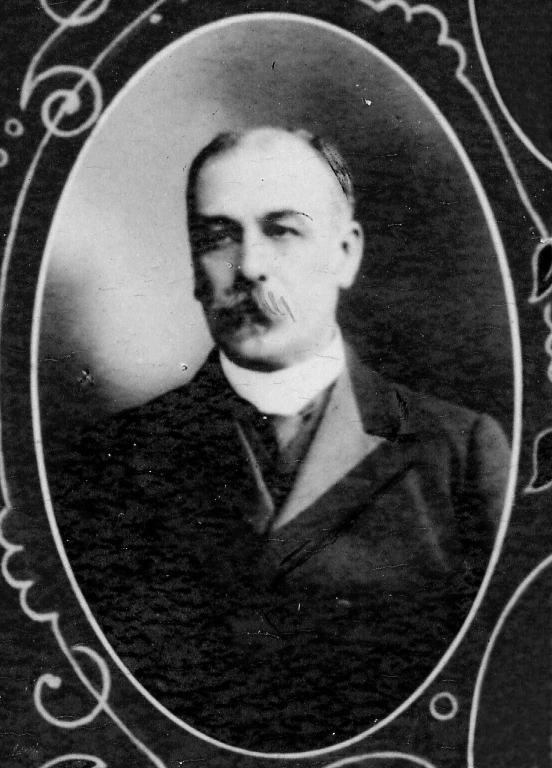
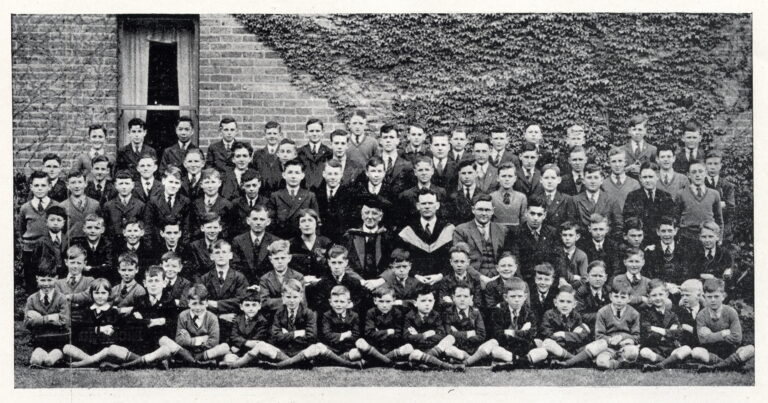
1872: Foundation of Carlton College by Mr George H Neighbour

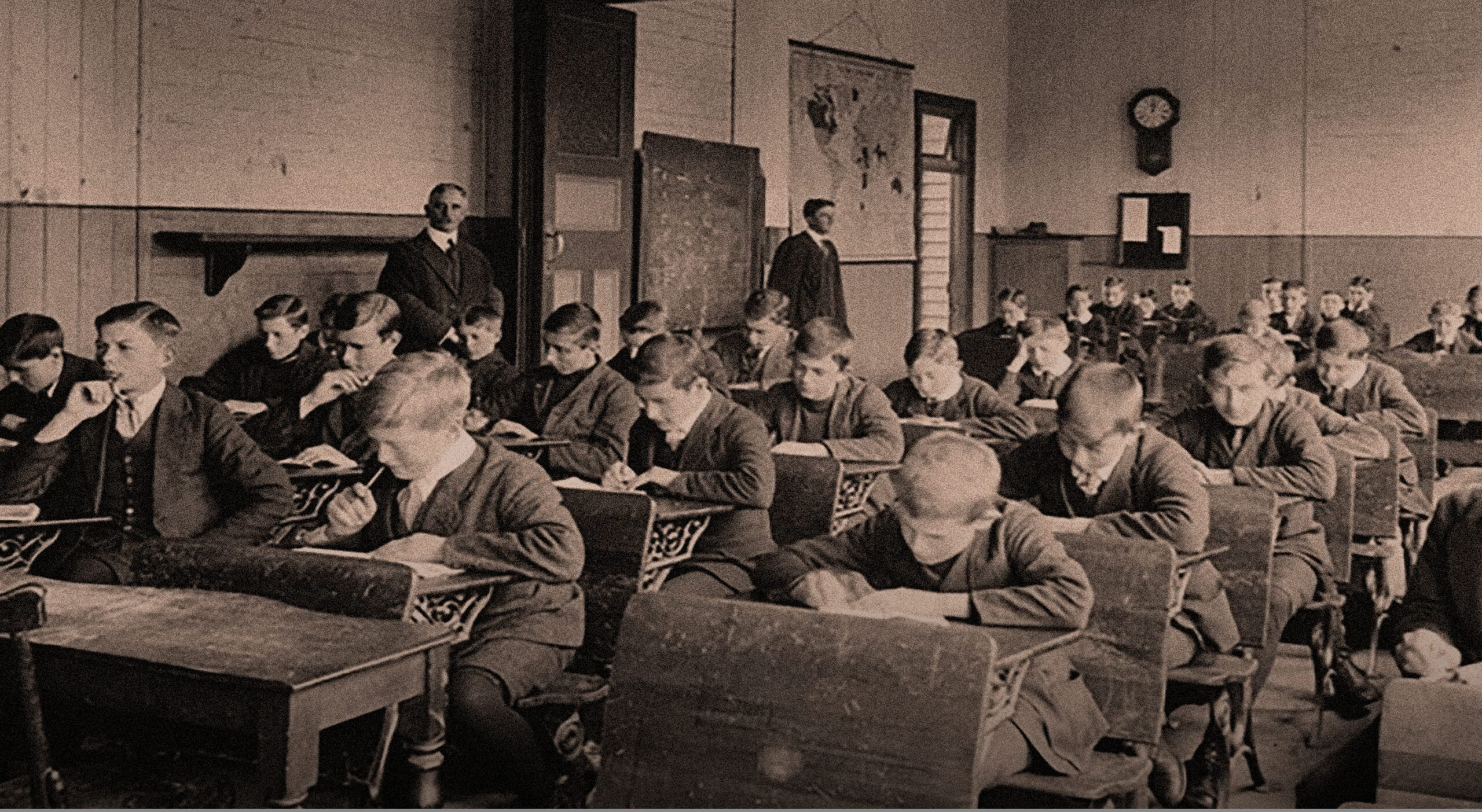
Carlton College was founded in 1872 by Mr George H Neighbour as a school to prepare boys for University and for commercial careers. 

George Neighbour came to Australia from England aged 15 with his family, graduating in Arts and Law at the University of Melbourne. He sold the College in 1877 leaving to become a barrister, and later a judge.

The second Principal was Mr Alexander Sutherland, who relocated the College to purpose-built facilities in Royal Parade, Parkville, in buildings currently used by the University of Melbourne’s University House. Alexander Sutherland also came to Australia at the age of 15, studying at Sydney and Melbourne universities, and then teaching at Scotch College. A tablet, erected on his grave by old pupils and friends, describes him as a scholar, a writer and a warm hearted friend, who had been the esteemed principal of the college for sixteen years.

At the end of 1892, Alexander Sutherland retired and handed the reins to his brother-in-law, Mr T Gresham Robinson who had been at the College for nine years. As it turned out, Mr Gresham Robinson was an inspired choice. For the next 44 years he led Carlton College, and its successor schools St Thomas’ Grammar School and Essendon Grammar School, as Principal, retiring in 1937.

1934 Essendon Grammar School Formation

In 1934 a new protestant school for boys was formed from the merger of St Thomas’ Grammar School and Northern Grammar School. The principals of the two schools, Mr T Gresham Robinson and Mr C Rodney Woollacott, became Principal and Deputy Principal respectively, and it was agreed that the new Essendon Grammar School would use Northern Grammar School’s Raleigh Street property.

Initially Essendon Grammar School was not aligned with any specific church, but in 1948 the school became part of the Presbyterian Church of Victoria, setting the scene for an amalgamation with Penleigh Presbyterian Ladies’ College many decades late

1956 Essendon Grammar School purchase land at Keilor East

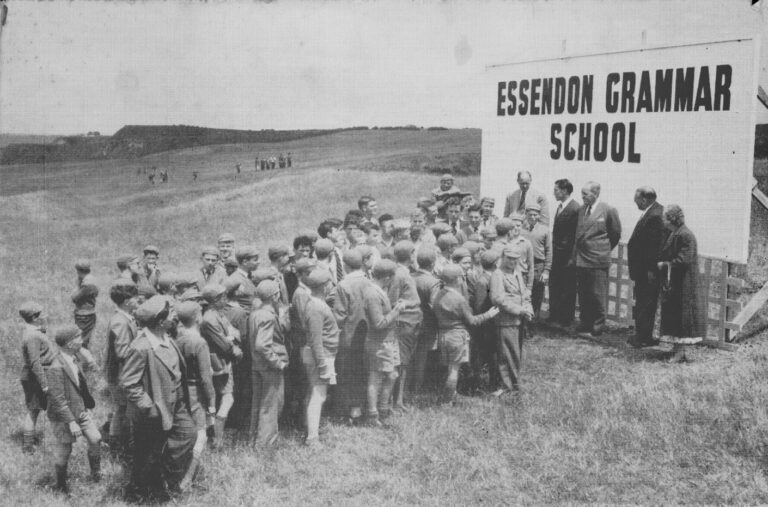
In 1956, Essendon Grammar School took a decisive step into the future by purchasing approximately 31 acres of land at Keilor East. This acquisition was the continuation of an ambitious vision: to create a first-rate Church School serving Melbourne’s Northern and Western suburbs.

The existing school site in Essendon had reached capacity, and the school urgently needed more classrooms and additional playing fields. 

The whole school was involved. During the 1956 school year, students travelled by bus to the new site for a tree-planting day. Despite muddy conditions, teachers and students planted 475 trees along the northern boundary. 

The new property offered the space to establish facilities for senior students, and in 1957 the school launched an appeal for £25,000 to commence the first stage including five classrooms, a staff room and office, one science laboratory, on-site accommodation, and playing fields and changing rooms.

This purchase laid the foundation for the multi-campus PEGS we see today.

1972: Chinese language introduced in upper Junior School

In 1972 the School introduced Chinese as a language study in Grades 5 and 6 and Form 1. Only a couple of other schools in Victoria offered Chinese language studies to their students at this time.

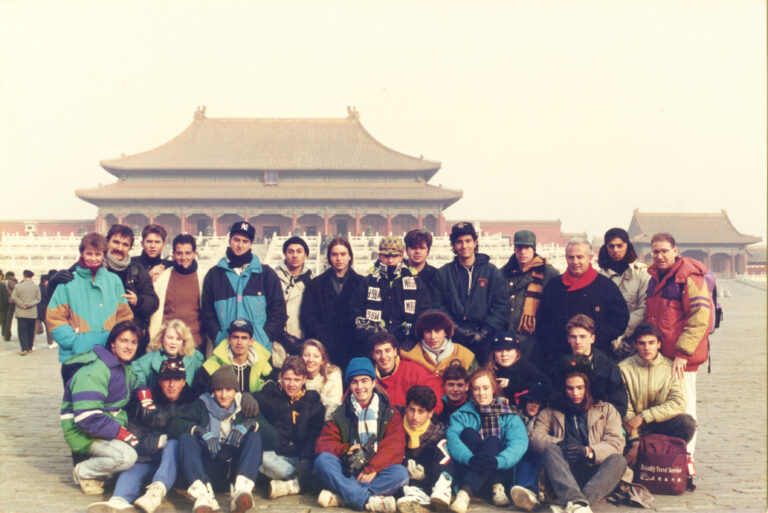
As the School’s language programme developed and educational trips to China commenced, relationships with Sister Schools in Shanghai were developed, including one with Datong High School. In 1990 a combined Soccer and Language Tour of China and Hong Kong took place, with financial assistance from The Australia-China Council. In Principal Mrs Rae Pierce’s words:

In this trip, two of the most important aspects of school life, the development of academic and sporting abilities, will be fostered in an international atmosphere. The trip will highlight the ways in which these different kinds of performance and achievement can work to each other’s benefit as well as fostering, in this instance, the continuing happy relationship between PEGS and its Chinese sister school, and between Australia and China.

In the same year the PEGS Chinese Orchestra was formed by virtuoso erhu player, Mr Shen Pangeng.

1973: First classes at McNab House (Form Five and Six co-educational studies centre)

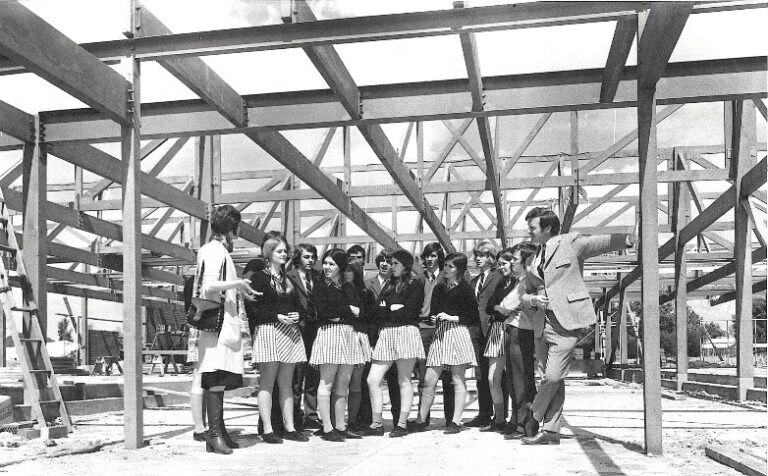
With great hopes for its future, the first classes were held for Form 5 and Form 6 in 1973 at the new co-educational studies centre McNab House in 1973.

In the first Summary of Courses and Subjects for the Higher School Certificate, it states:

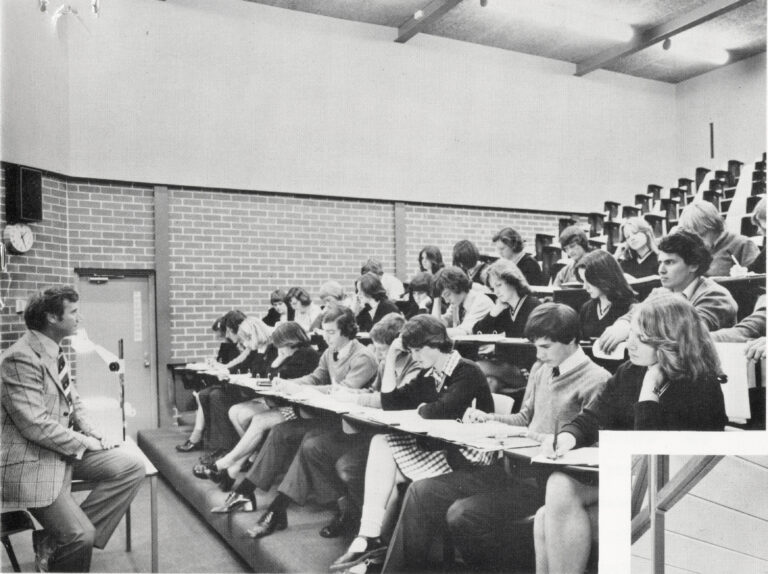
“The purpose of building this co-educational centre is to give you a chance to develop from being a student who has to be closely directed in your work, to a student, who at the end of your time at McNab House will be able to work successfully by yourself, without being a distraction to others.

This will not happen over night, it will be a gradual process. Therefore, do not expect, for a start, that it will be all free and easy with no uniform and no restriction whatsoever. You will receive guidance and counselling, and when you show that you can work by yourself, you will find that the restriction will be decreased and you will have only occasional checks.

Most importantly, the success of this experiment depends on you. All will be ready for you to learn, to become independent thinking persons.”

Designed by architect Les Clarke from Clarke, Hopkins and Clarke Pty. Ltd, this study centre brought together the senior students from Penleigh Presbyterian Girls’ School and Essendon Grammar School on one campus. McNab House formed the basis of our current co-educational Larkin Centre, housing all PEGS Year Eleven and Year Twelve students.

1977: The Official Amalgamation of Penleigh Presbyterian Ladies’ College and Essendon Grammar School

In 1977, Essendon Grammar School and Penleigh Presbyterian Ladies College, both with histories dating back to the 1870s, finalised their legal amalgamation to form Penleigh and Essendon Grammar School (PEGS) under a single joint School Council (later a Board of Management).

This process was the culmination of decades of collaboration and planning between the two Presbyterian schools. The respective School Councils officially integrated in 1969, meeting together with one Principal, Rev H R (Bert) Stevens. In the previous decade senior students had shared classrooms for various subjects, and Essendon Grammar School had purchased the property which would become the school’s main campus. Senior boys and girls had also been brought together in 1973 at McNab House, an innovative co-educational initiative which still exists today at the Larkin Centre.

It would take a little longer to combine the two crests and mottos and until 2006 for the students to wear a school uniform with a unified design, but the basic administrative structure from this amalgamation has stood the test of time.

1984: First Eildon Camp

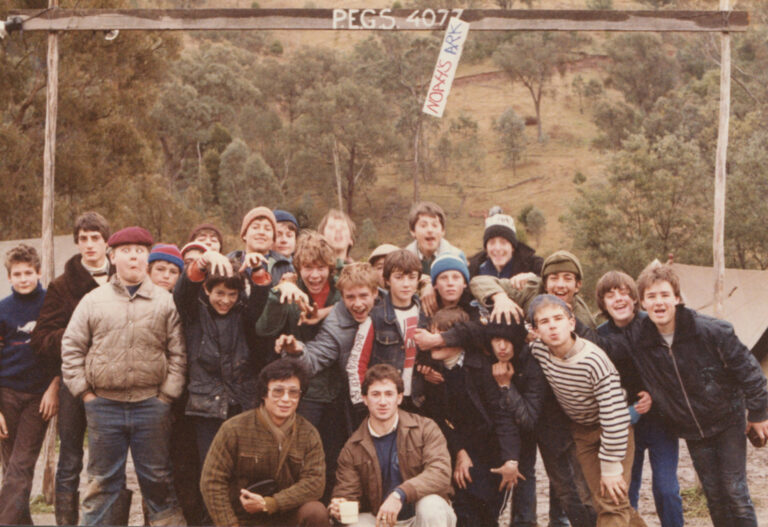
In 1983 the School bought a property and established a new ongoing camp site for PEGS students – Eildon Camp.

Principal Rev HR (Bert) Stevens envisioned the camp as a collaborative project involving students and parents, rather than professional builders, to foster outdoor education and leisure activities with access to neighbouring bushland and Lake Eildon. 

In 1984 the first middle school groups camped in fairly primitive conditions as their introduction to the outdoor education program. Starting with Year 10 boys, under teacher guidance, they helped establish the campsite and engaged in activities such as bushcraft, camp planning, canoeing, fishing, hiking, catering, safety and survival techniques, map reading, adventure and initiative activities, and field studies in science, art, and geography.

2012: Senior School moves to the Infinity Centre (now the Larkin Centre)

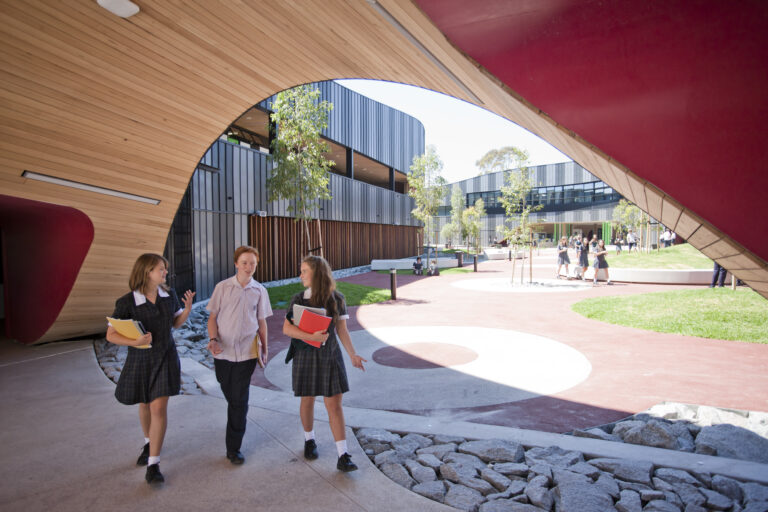
The opening of the Infinity Centre (now known as the Larkin Centre) in March 2012 marked a significant milestone in the school’s evolution. 

This state-of-the-art building provides a contemporary physical space for senior students, continuing the innovation of McNab House, the school’s first unified co-educational Senior Campus opened in 1973. 

Designed by McBride Charles Ryan in the shape of an infinity loop, the building features flexible learning spaces, a central library hub, and a design that encourages collaboration while fostering a sense of community.